Experience
When I began my journey to France, I knew little about the French Foreign Legion and French citizenship. My main focus was to pass the selections and become a legionnaire. At first, citizenship wasn’t on my radar. However, as I spent more time in France, applying for citizenship felt natural. I also explain what happens to your residence and work options in my life-after-service guide.
I’ve noticed this topic interests many aspiring and current legionnaires. So, I’ve created this user-friendly guide. It will help anyone interested in obtaining French citizenship while serving in the French Foreign Legion.
When Can You Apply for Citizenship?
Official Information
The Army’s official presentation of the French Foreign Legion says legionnaires can request naturalisation from three years of service.
The recruitment FAQ currently mentions five years. The important distinction is between being able to request naturalisation and having a complete application that the Legion will support. In practice, five years is a more realistic planning point; it isn’t a promise of citizenship after five years.
Below, I explain the internal procedure from my own experience and why becoming French during a single five-year contract is not a realistic plan. Your unit’s administration will tell you which documents and current instructions apply to your file.
Step 1: Fulfilling the Citizenship Criteria
Three years of service does not give you a right to approval. For the internal Legion procedure I describe here, you also need to meet requirements such as:
- Serving under your real identity after regularising your military situation
- Providing the required tax records, including notices of assessment or non-assessment for the last three years
- Having at least 18 months left on your contract when you apply through the internal Legion process
- Meeting the applicable French-language requirements and the other integration and documentary requirements for your application
Step 2: Submitting Your Citizenship Application
In the internal procedure I went through, you started by making an official request to your unit commander. Generally, it takes between 1 to 4 weeks until he receives you. It depends on the unit’s program, so don’t ask for a report before leaving for a 2-month-long field mission. He won’t have enough time. Try to formulate your request in a period when you know that your unit will stay in the regiment for a couple of weeks.

Legion Training
Prepare for selection.
Get ready for the French Foreign Legion with practical training tools.


In a normal case, if you have a clean punishment sheet, the captain will give you the green light to start the process. Right after your request, the company’s secretariat (bureau major) will give you a list of documents according to your family situation.
Step 3: Gathering Necessary Documents
The less complicated your family situation is, the fewer documents you’ll need and the simpler the process will be.
For example : a single person without kids will have to provide fewer papers than those who have 3 children from 2 different women and divorced twice.

It’s also easier for guys coming from the European Union, because generally the birth certificate is delivered in French also. It saves time until others have to find an official translator.
The process can become a lot faster if you anticipate your demand with the perfect timing. Personally, when I went on a holiday, I gathered everything they asked and launched the process right after I came back from home.
Step 4: Awaiting the General’s Decision
Once you got everything, a guy from the secretariat verifies your documents and accepts your files if everything’s good.
They summarize your years in the French Foreign Legion on a sheet that aids in obtaining citizenship. This brief text highlights your service to the country, so having completed at least one overseas mission is a plus.
At this moment, the last paper you’ll need will come from the general, commandant of the French Foreign Legion. If he accepts your demand, you’re on a good way to become a French citizen.
Unfortunately, the hardest part only comes when your dossier is complete, because you can’t do anything else but wait. If the NCO in charge is an asshole, he can hold your files back for weeks. The chance we had in 2REG is that the administration part functioned quite well and they sent my folder to Aubagne the week they got it.
Step 5: The Process from Aubagne to Nantes
In the procedure I went through, Aubagne checked the file before forwarding it to the civilian administration. If naturalisation is granted, the decree is published in the Journal officiel; the waiting time varies. This is ordinary naturalisation by decree. The expression Français par le sang versé refers to the separate route for foreign service members wounded during an operational engagement, described in Article 21-14-1 of the Civil Code.

Key Considerations in the Citizenship Journey
People who ask me about this subject want to know if they can become a French citizen within the first 5 years without reenlisting. Here is my answer: theoretically yes, practically no.
Why?
Three years is a theoretical starting point. In my experience, launching an application that early is very likely to lead to a refusal: you still need your third tax declaration, the required level of French, the other documents and enough time left on your contract. On top of that, your application can be delayed by months because:
- You won’t necessarily be in the regiment when you’ll complete your 3rd year in the Legion
- The unit commander doesn’t receive you in time
- You can’t provide your documents quickly enough
- The secretariat doesn’t send your files to Aubagne immediately
If those delays leave you with less than 18 months on your first contract, you no longer meet the remaining-service condition for the internal process I describe. In practice, you will need to reenlist before the application can move forward.
Meeting Tax Obligations for Citizenship
The government’s tax-document checklist asks employed applicants for notices of assessment or non-assessment covering the last three years. That means filing returns and having the required records, even if no income tax was due. For someone who arrives in France when joining, the calendar matters.
For example: you join the French Foreign Legion in March 2022. Your first French tax return is normally filed in spring 2023, and your third in spring 2025. By the time the third notice arrives later in 2025, you may be around three and a half years into a contract ending in March 2027. That leaves roughly 18 months, before allowing for any further administrative delay. It is a very tight window.
This is why I tell candidates to plan on serving beyond their first contract if citizenship is part of their project. Meeting the earliest theoretical service point is only one part of the process.
Showcasing Commitment to the French Nation
Even with the paperwork ready, an early request can still lack support within the Legion. From my experience, reenlisting shows a commitment that a request made near the end of a first contract does not. Being eligible to apply and having the application accepted are two different things.
Alternative Route: Civilian Citizenship Application
Some legionnaires try to apply through the civilian route while they are still serving. I wouldn’t treat that as a way to bypass the internal military procedure.

A civilian application still asks for your employment and income information, including your military service. Applying outside the Legion does not make that service disappear from your file. Speak to your unit’s administration before deciding how to proceed.
I remember a legionnaire who started the naturalisation process on his own while he was still serving and was punished for it. I also mention this in my life-after-service guide. That is why I advise serving legionnaires to follow the proper channels. After leaving the Legion, a civilian application remains possible if you meet the conditions, but I can’t give a fixed processing time.
The conclusion
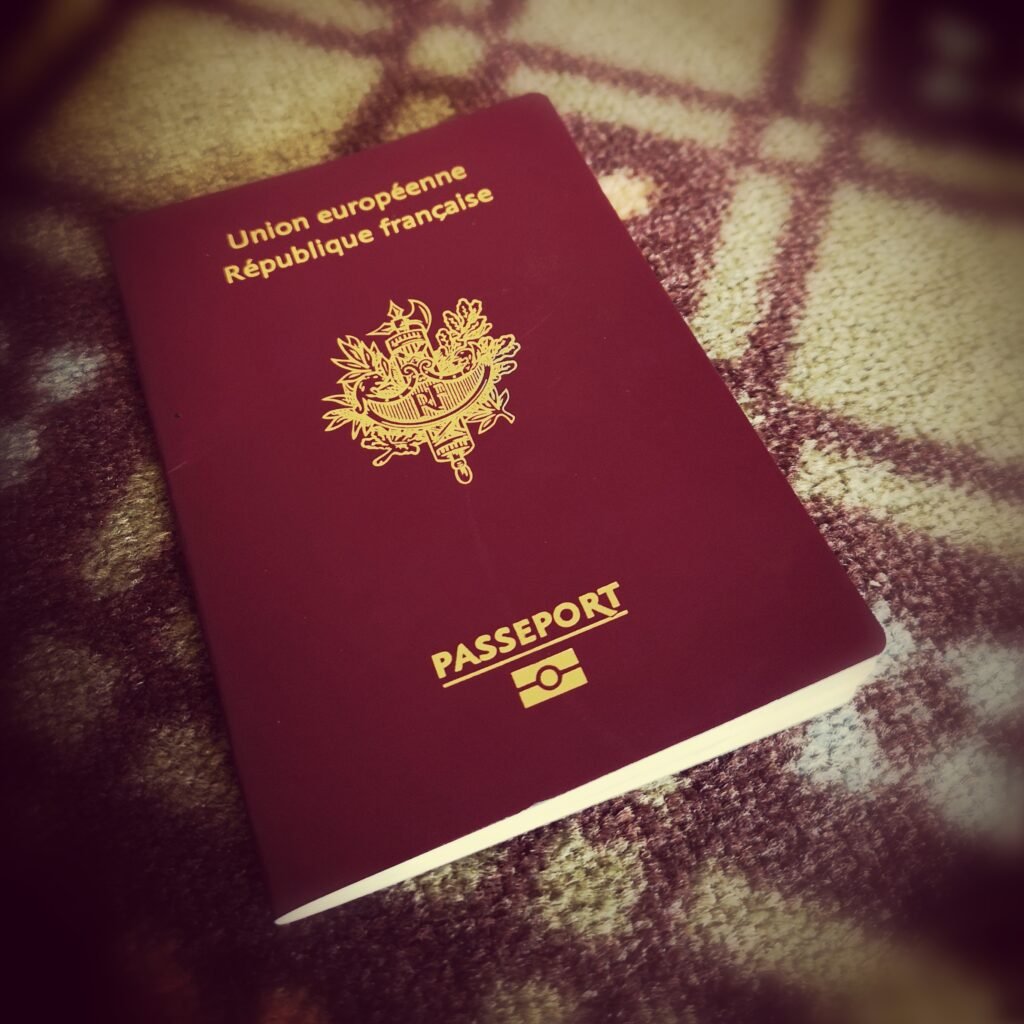
If you want to join the French Foreign Legion only to get a French passport, you should expect to stay for more than five years. From my experience, the FFL wants to keep trained legionnaires in its ranks. The chiefs aren’t stupid, and they know that becoming French means a lot to some people.
If you leave after your first contract without becoming French, you can still consider the civilian route. You must meet the conditions that apply to your situation, and the processing time varies. It isn’t a guaranteed shortcut.
Life can become significantly easier with French papers for those who want to live in France (or even elsewhere in Europe). This is why the process is not evident, but still easier than applying as a civilian.


Leave a Reply